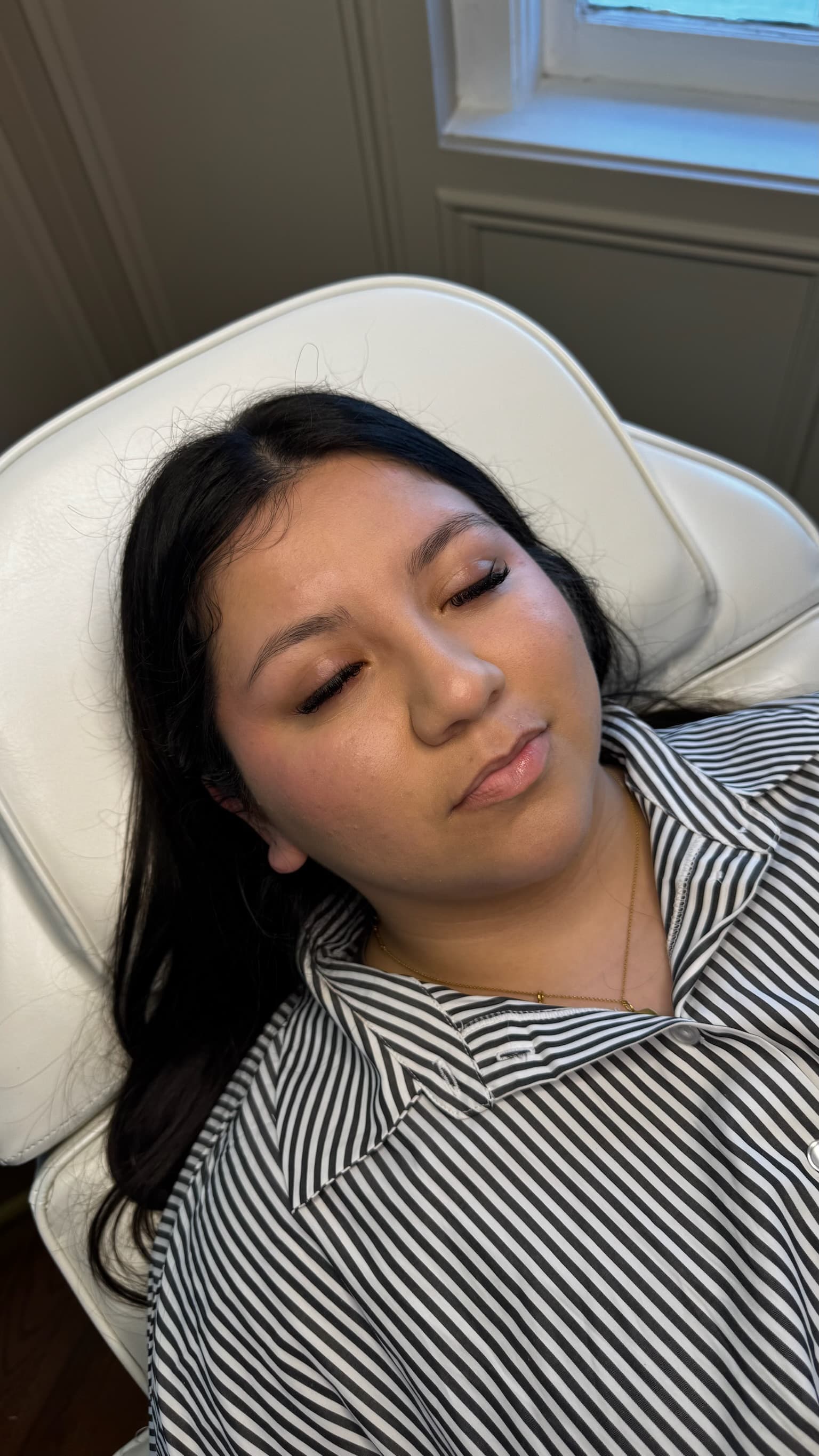
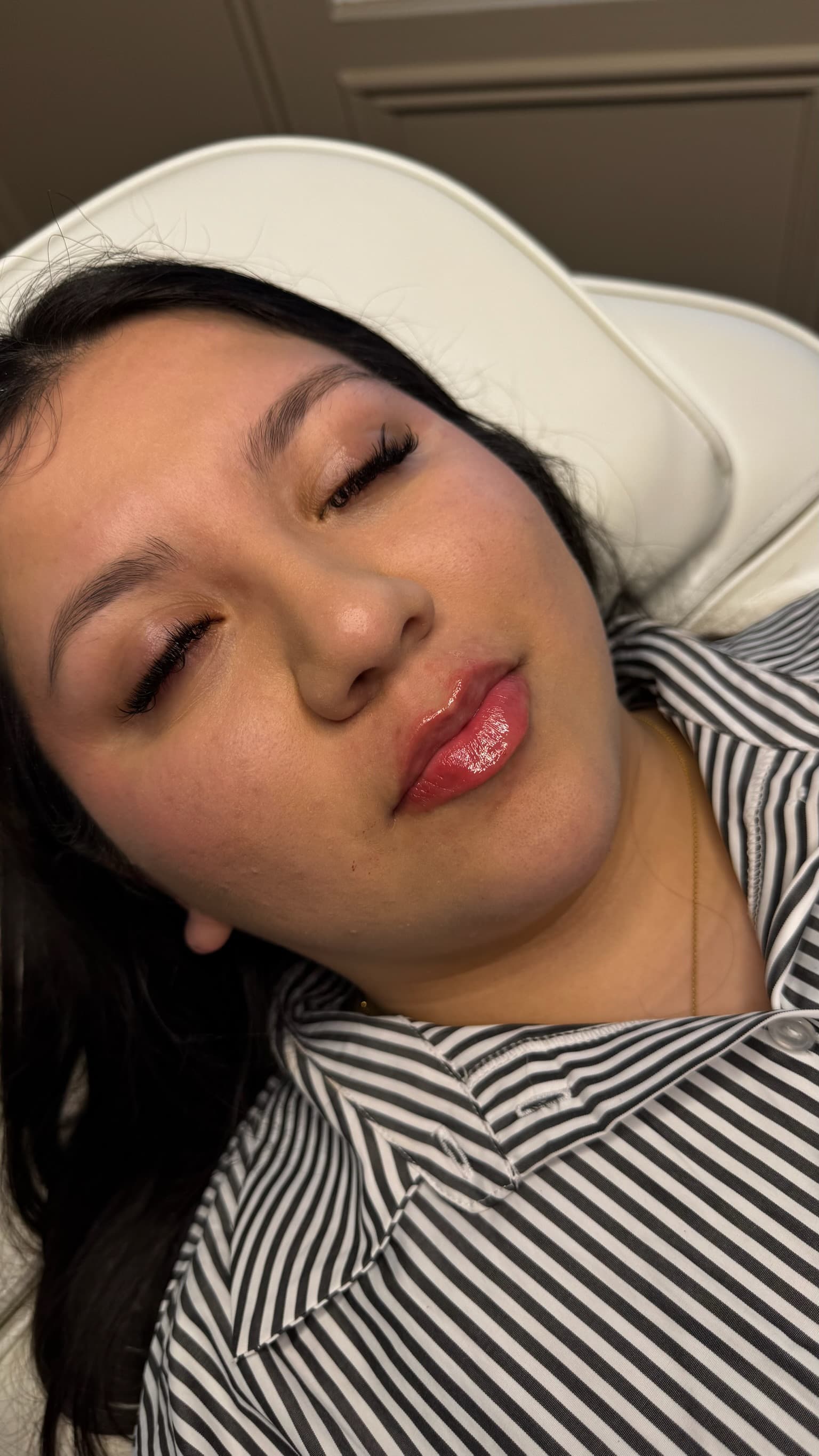
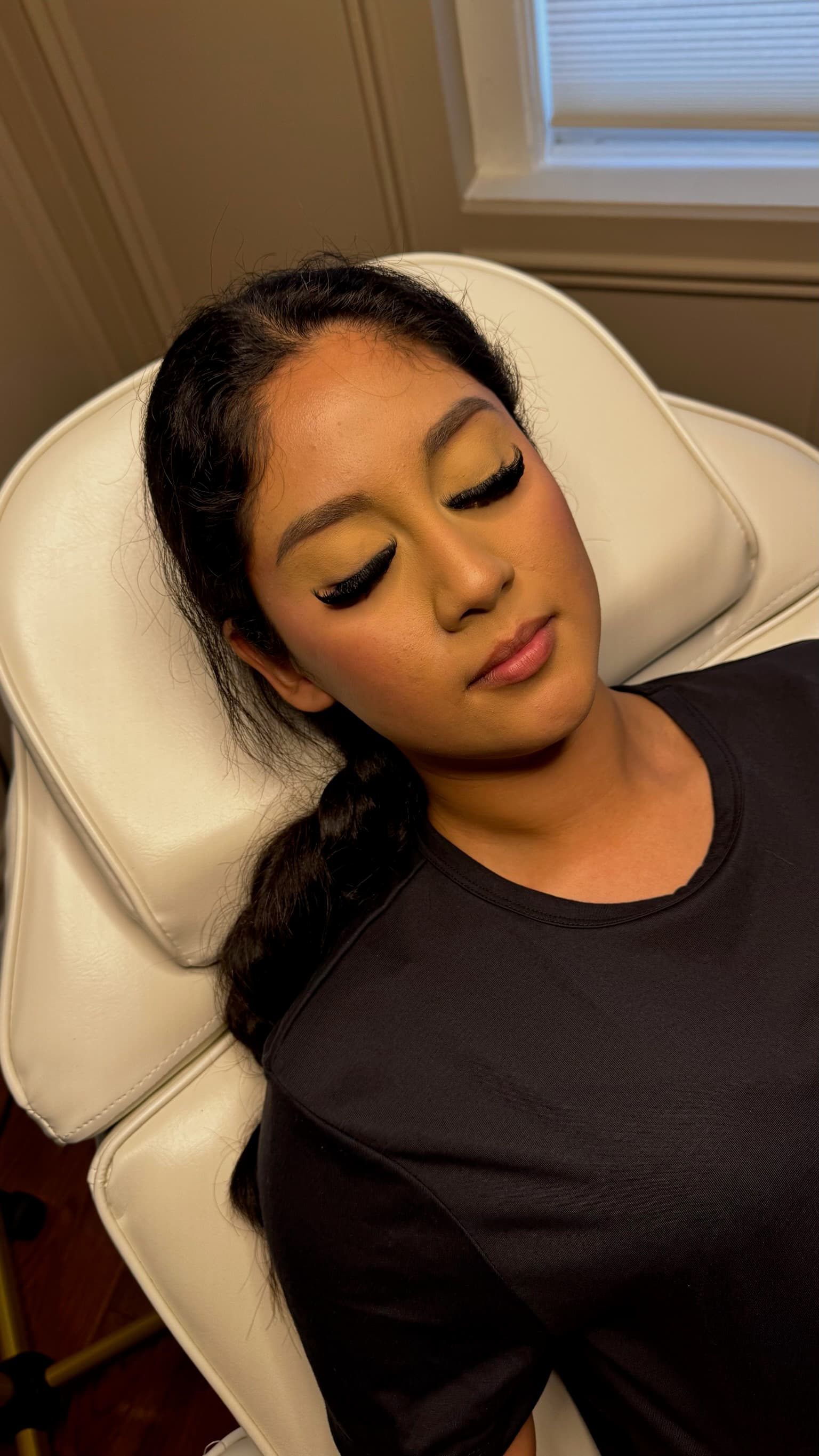
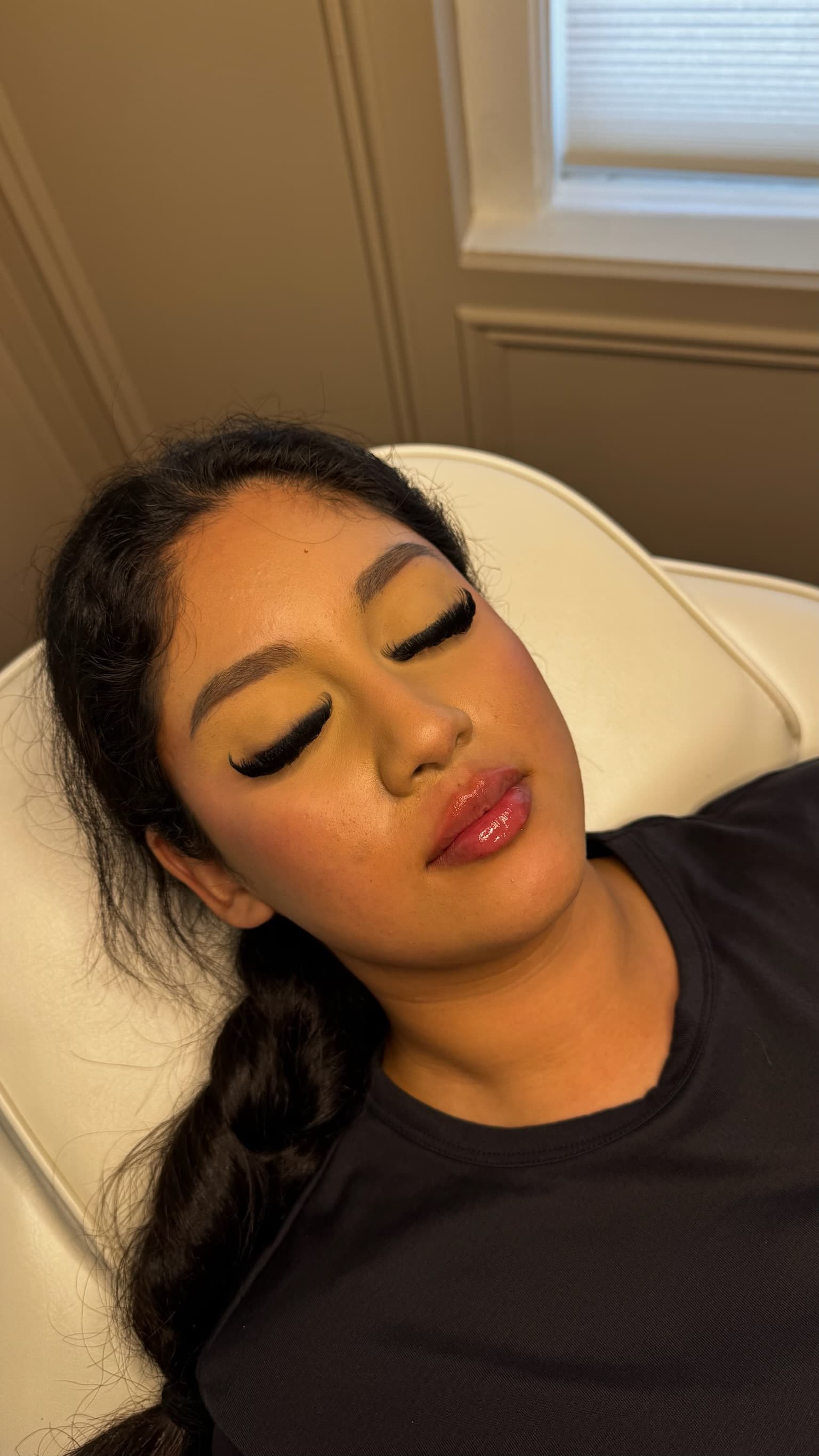
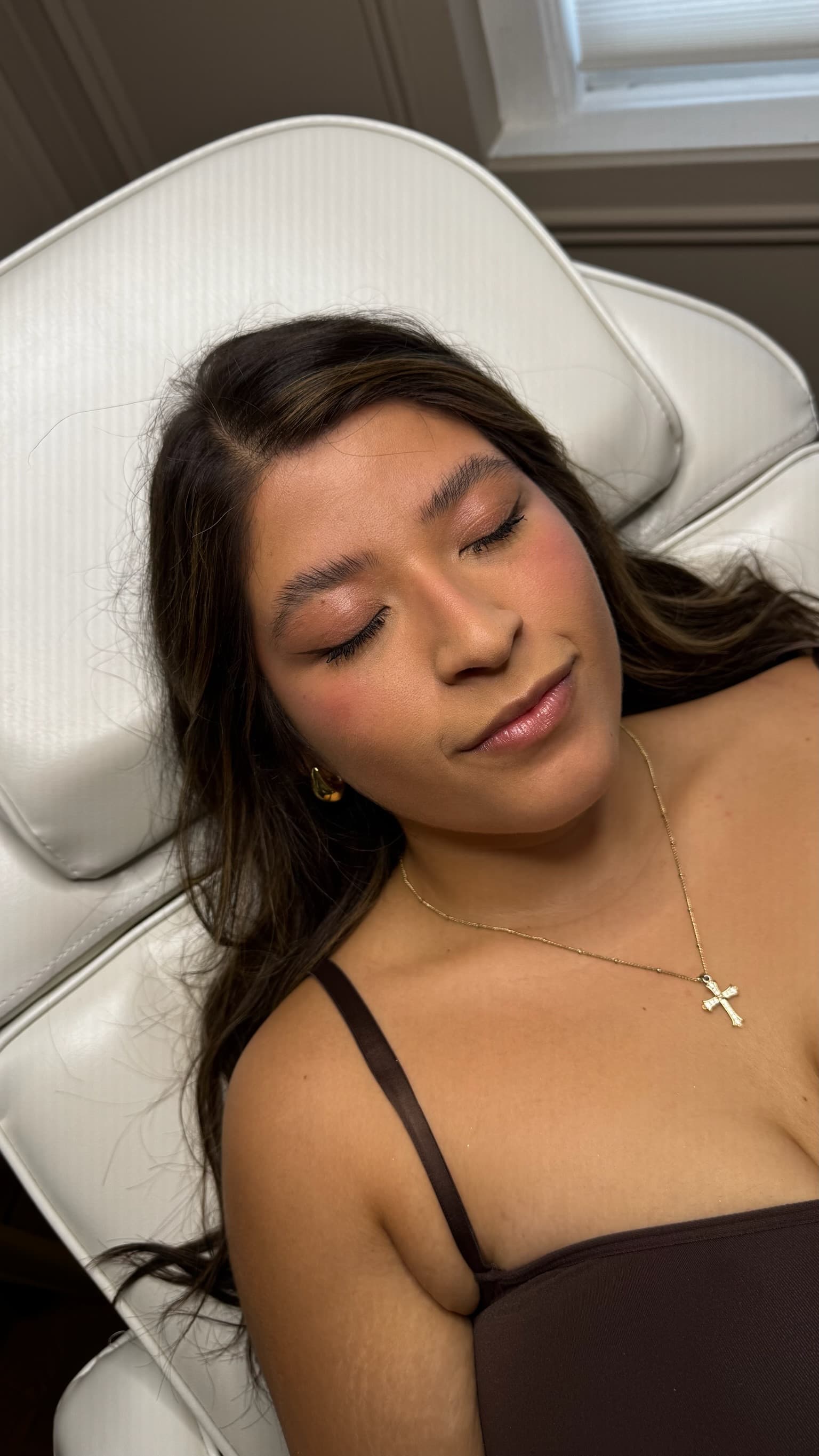
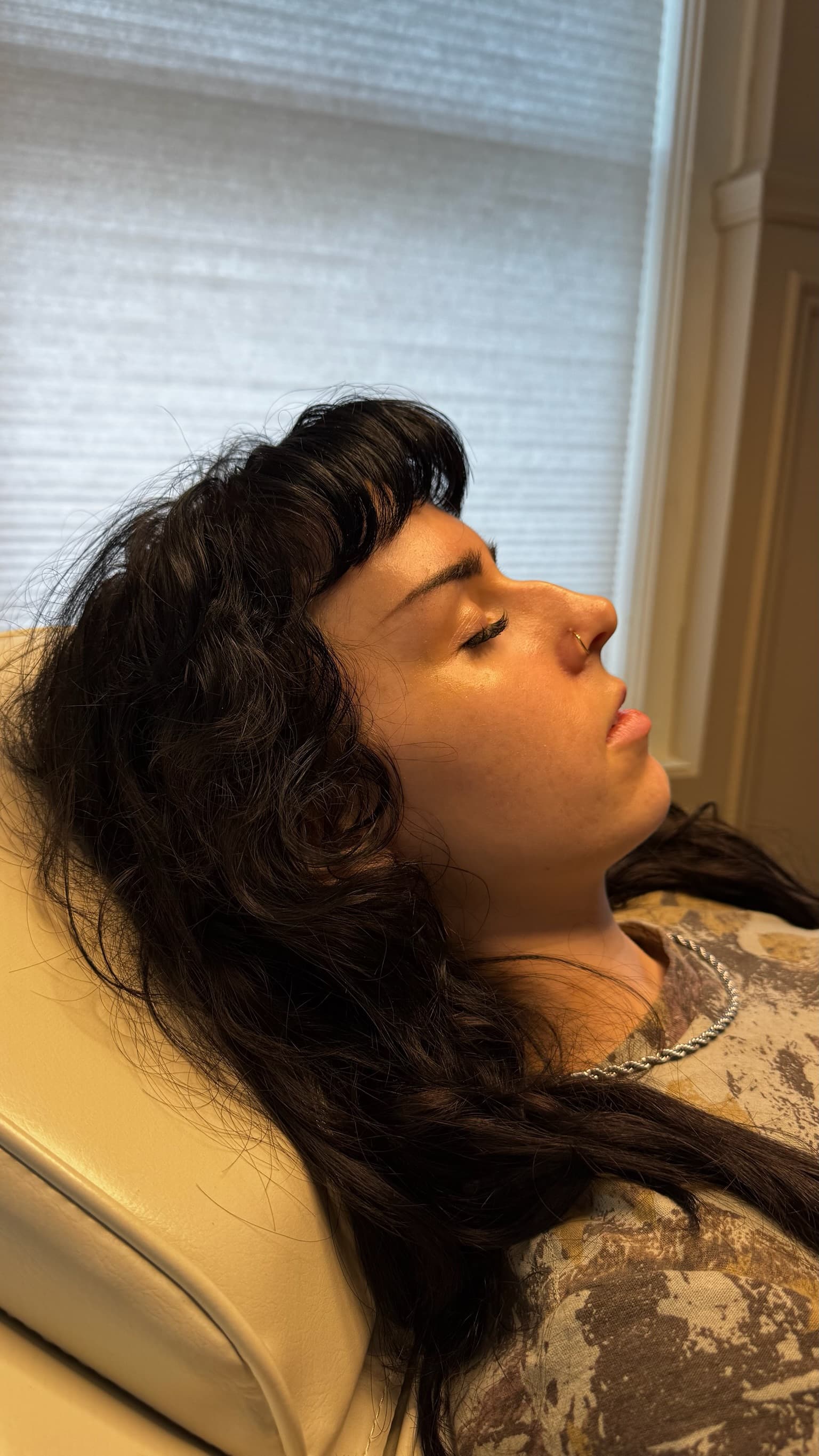
- Where can I get natural-looking lip filler in Austin?
- At The Wellness House, a private med spa at 213 W 4th St in downtown Austin. Every lip is shaped with the Soft Russian technique, which builds height and definition rather than pushing volume outward, so the result reads as your own lip, just better. Since January 2025 we've done nearly 500 lip filler visits for more than 270 clients. We dose conservatively, offer a 0.2ml micro-dose for first-timers, and can dissolve hyaluronic acid filler if a past result never felt like you. Versa starts at $375, and Premium (RHA, Restylane Kysse, Juvéderm or Revanesse Lips+) starts at $475.
- Who will do my lip filler?
- Leyla Guzman, our Founder and Head Injector, formerly Face By Leyla. She's a Certified Injector working under the medical oversight of our medical director, Dr. Daniel Olivero, M.D. Your lips are assessed in person before anything is placed, and if the honest answer is less filler, or dissolving first, that's what you'll hear.
- How much does lip filler cost in Austin?
- Here it's Versa or Premium. Versa is $375 for 0.2ml, $599 for 0.5ml and $750 for a full 1ml syringe. Premium — RHA, Restylane Kysse, Juvéderm or Revanesse Lips+ — is $475, $699 and $850. Most first-time clients do well starting at 0.5ml. Across Austin, a syringe generally runs between $500 and $1,000 depending on the injector's experience and the product used.
- How long does lip filler last?
- Twelve to eighteen months for smaller placements, and twelve to twenty-four months for a full syringe. Your metabolism matters more than most people expect — if you're very active, you may metabolize filler faster. Most clients come back somewhere between the twelve and eighteen month mark.
- How much swelling should I expect?
- A lot more than you're expecting on day one, and that's normal. Lips swell more than any other area of the face, and swelling usually peaks the morning after your appointment before settling over three to five days. The result you keep shows up around two weeks.
- What is the Soft Russian technique?
- It's a method of placing filler in small vertical amounts through the body of the lip rather than laying it horizontally along the border. The effect is more height and definition with less outward projection — a lifted, defined lip rather than a fuller, rounder one. It generally suits people who want shape rather than obvious volume.
- Will my lips look fake?
- Not if the amount matches your anatomy. Lips look done when they're overfilled for the face they're on, or when filler has been stacked over years without ever being allowed to dissolve. We'd rather undertreat you and add at a follow-up than hand you something you have to live with for eighteen months.
- What is filler migration and how do you prevent it?
- Migration is filler moving beyond where it was placed, usually showing up as a shelf or shadow above the lip border. It's most often caused by too much product, product placed too superficially, or new filler layered on before the previous round has dissolved. We prevent it by dosing conservatively, placing precisely, and being honest when the right answer is to dissolve first and start clean.
- Can lip filler be dissolved?
- Yes. Every filler we use for lips is hyaluronic acid, which can be dissolved with hyaluronidase. We charge $200 a vial for dissolving against a regular price of $500 or more, and most people need one to two vials. If you're unhappy — with our work or someone else's — this is a real option, not a last resort.
- How soon before a wedding or event should I book?
- Two weeks minimum, four weeks ideally. That covers the swelling, leaves time for a refinement if you want one, and means any bruising has long cleared. Lip filler two days before a big event is the single most common regret we hear about.
Written and medically reviewed
Written by Leyla Guzman, Certified Injector and Founder & Head Injector. Medically reviewed by Dr. Daniel Olivero, M.D., Medical Director.
Last reviewed October 29, 2026. This page is general information about treatments we offer, not medical advice for your particular case — that comes from your consultation and good faith exam.